Across Aotearoa, thousands of community organisations are quietly doing work that changes lives - building confidence, connection, belonging and hope. As Donna Provoost, who leads Powerdigm (the consulting arm of long-term community partner Inspiring Communities), puts it: organisations pour every last bit of their energy into front-facing work, leaving little for their own capability. As expectations to demonstrate social impact have grown, smaller organisations are most at risk of being left behind.
Powerdigm created Tūhono Impact to shift that. Launched as a free online resource, it helps community groups grow, track and share the impact of their mahi.
Rather than build something new, the Powerdigm team waded through piles of existing evaluation tools and distilled them into five essential steps any organisation can work through themselves: clarifying purpose, mapping a theory of change, noticing what's changing, learning from it, and telling the story well. It is deliberately DIY and bite-sized.
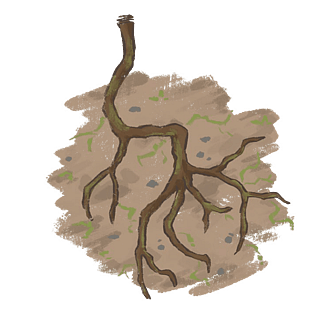
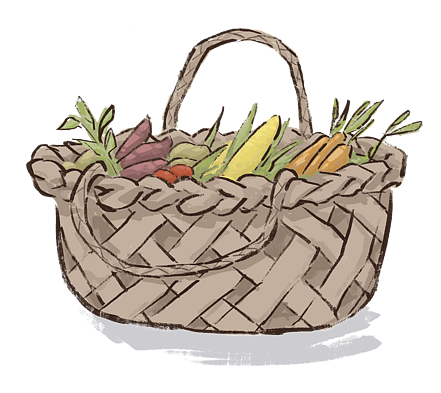
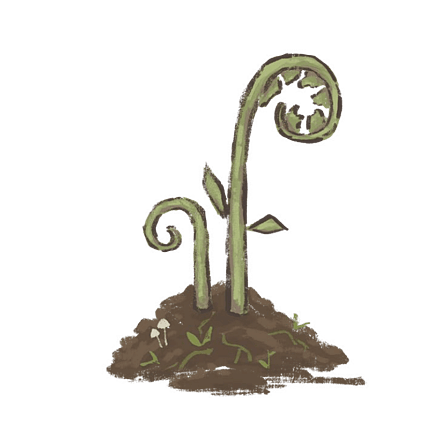
The tool is built around He Mara Mahi Tahi, a garden metaphor that reflects how meaningful change actually grows. The purpose is the seed (Kākano), values and outcomes are the roots (Ngā Pakiaka), indicators help us notice growth (Rā Putiputi), learning is the tending (Puoto), and communication is the harvest (Kete Hauhake).
Since launching, the website has had steady traffic, with over 5500 site visits since it launched in August 2025, but the more telling measure is the worksheets that have been downloaded 600 times already, suggesting organisations aren't just reading, they're working through the steps. Tūhono Impact is also being used in ways the team didn't expect. One large NGO is using it to induct new staff. Board members are using it as a backstop to check they genuinely understand their organisation's purpose and outcomes.
What Tūhono Impact measures is the fuller picture of change. Alongside tangible shifts like jobs secured, better health, and safer streets, the tool makes room for the deeper changes that often underpin those results: confidence, agency, connection, hope, manaakitanga. Organisations learn to track their contribution to change rather than claim sole credit, and to weave numbers together with stories and lived experience. The results are already visible. One group used the tool to revisit their parenting drop-in programme and realised the mid-morning timing wasn't working for the young mothers they served; after shifting it to just after lunch, attendance lifted. Others are refining their theory of change as a result of documenting how their activities contribute to the outcomes they are contracted to deliver, leading to a better understanding of what is needed to make a positive difference for whānau.

The next phase is about going deeper. Powerdigm is developing a 201-level master class on areas that have had most requests for further support such as developing frameworks to measure positive changes like increased confidence, hope, belonging and agency; and how to weave success stories and data together into a clear and rigorous narrative.
They're also exploring what this looks like from a funder's perspective and supporting facilitators in using Tūhono Impact alongside local organisations.

The Todd Foundation backed Powerdigm to create Tūhono Impact to help organisations demonstrate “the real changes they’re seeing for people, in ways that are useful for funders as well.” Todd Foundation Programme and Relationships Lead, Susie Schwartz says, “The strong uptake shows that community organisations want to understand and demonstrate their impact to supporters, and it’s important that this can be done in ways that are affordable, meaningful and relevant to their work. We’re excited to see the next phase of the project develop.” Making these tools freely available is also an efficient way of promoting change across hundreds of organisations.
When the community sector is better placed to make the invisible visible, everyone benefits: organisations themselves, the people they walk alongside, funders, and the communities they're part of. Tūhono Impact is helping make that possible, one garden at a time.